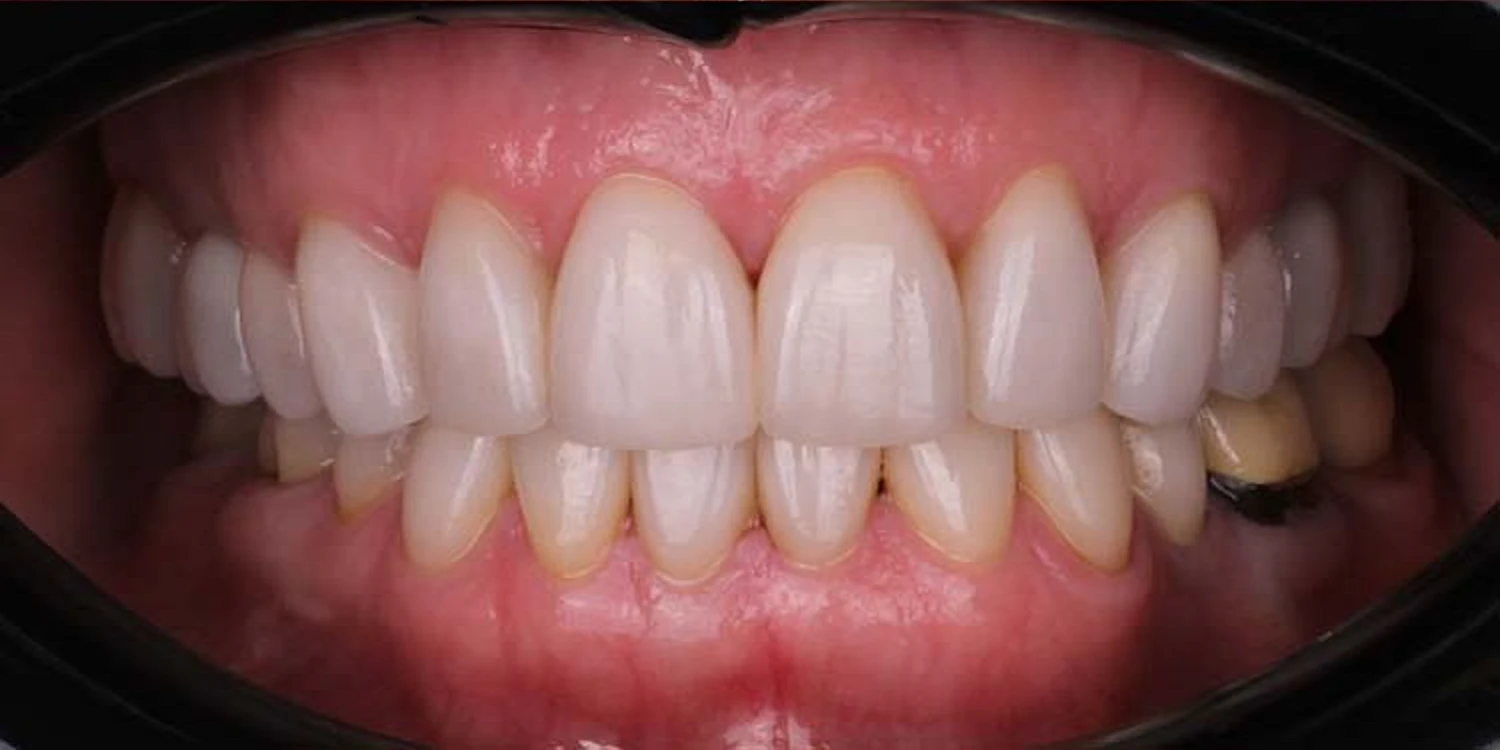
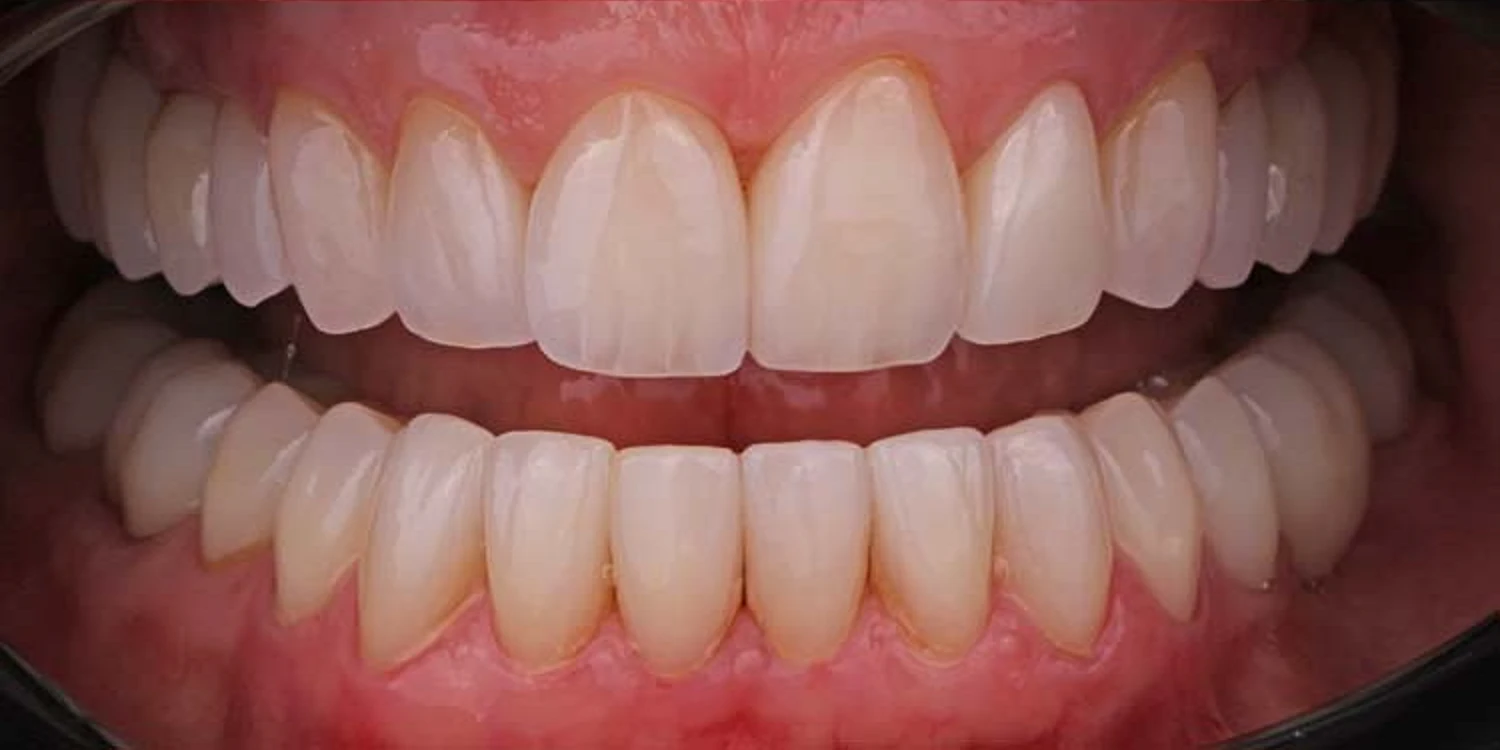
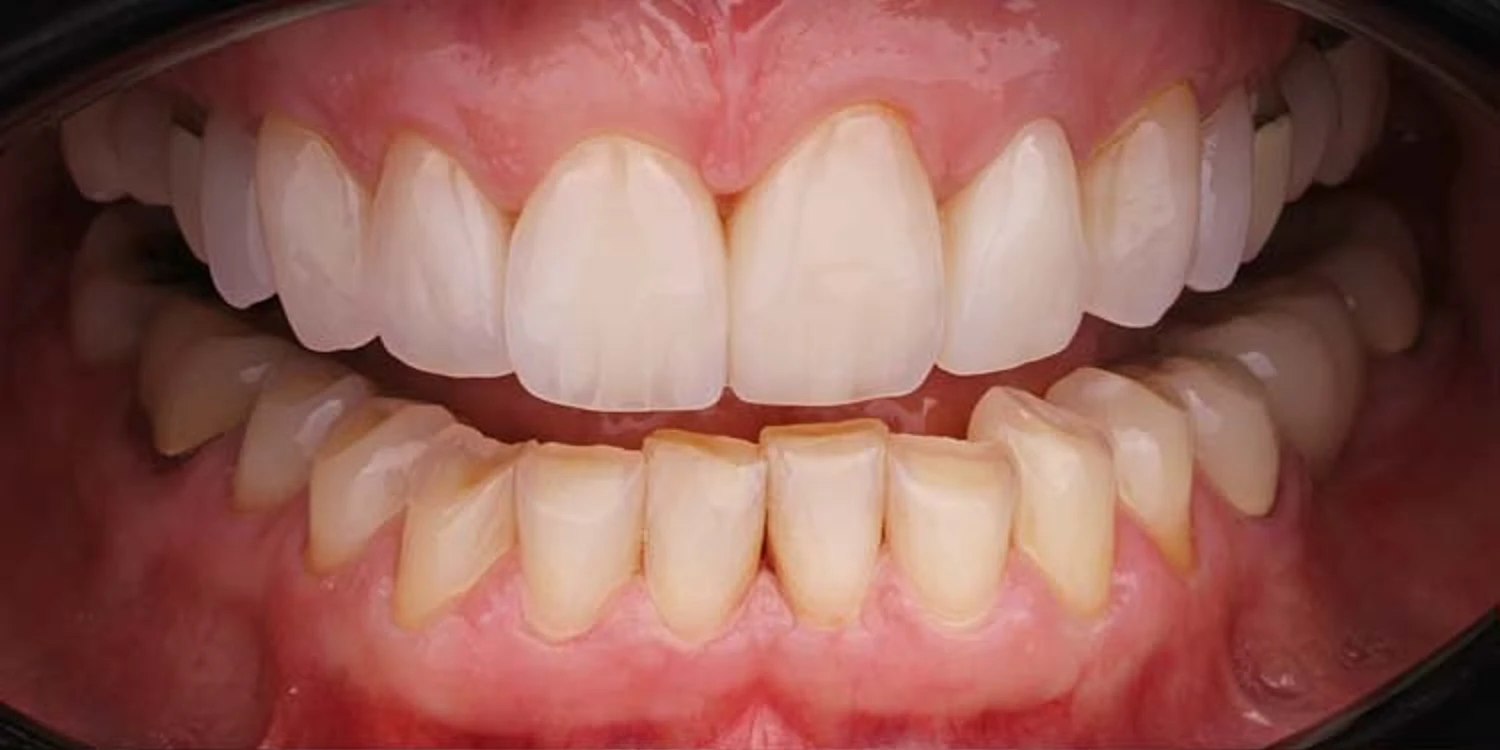
Porcelain veneers represent the pinnacle of cosmetic dentistry — ultra-thin, custom-crafted shells that transform the color, shape, size and alignment of your teeth with breathtaking, natural-looking precision.
We start with a consultation to learn exactly what you want, then use computer-aided smile design to map your ideal tooth shape, size and color.
A 3D preview model of your new smile is created so it can be checked from every angle for beautiful aesthetics and comfortable function.
Your teeth are gently prepared, impressions are taken, and natural-looking temporaries let you trial your new smile before the finals.
Your custom porcelain veneers are bonded into place, with final adjustments and a brilliant polish for a flawless, lasting finish.
What Are Veneers?
A porcelain veneer is a wafer-thin shell — typically 0.5mm in thickness — custom-fabricated from high-strength dental porcelain and permanently bonded to the front surface of a tooth. The result is a transformation that is simultaneously dramatic and remarkably natural in appearance.
Veneers can address virtually every cosmetic concern: discoloration that whitening cannot resolve, chips and fractures, irregular shapes, slight misalignment, and gaps between teeth. They are the treatment of choice for patients seeking a comprehensive smile transformation with lasting, beautiful results.
Our LVI-trained doctors design each veneer case with meticulous attention to facial proportions, lip line, gum symmetry, and natural tooth anatomy — ensuring results that are not simply beautiful, but uniquely and authentically yours.
Both Dr. Pete and Dr. Alex earned their degrees from one of the nation's top-ranked dental schools — a foundation of clinical excellence that sets them apart from day one.
Both doctors hold LVI certification — the world's most respected postgraduate program in cosmetic & neuromuscular dentistry. Fewer than 1% of dentists reach this level.
Is It Right For You
Veneers are a cosmetic solution, not a structural one. Being clear about that distinction at the consultation saves disappointment later, and in some cases points toward a simpler or less expensive treatment that gets you the same result.
Deep intrinsic staining that whitening cannot lift, such as tetracycline discoloration or a tooth darkened after a root canal. Chips and worn edges. Teeth that are slightly small or oddly shaped. Narrow gaps. Mild crowding where the teeth are healthy but the line is uneven. In these situations veneers do in two visits what other treatments cannot do at all.
Significantly crooked or crowded teeth are better moved than covered — Invisalign first, veneers after if you still want them. A single chipped corner is often better handled with composite bonding at a fraction of the cost. A tooth with a large existing filling or a crack usually needs a crown, which protects the whole tooth rather than just facing it.
Untreated decay and gum disease are addressed before any cosmetic work begins; veneers bonded to an unhealthy foundation will not last. Active grinding needs a nightguard as part of the plan, since porcelain will chip under forces it was never designed to absorb. None of these rule you out — they simply come first.
The Process
The part patients most often do not expect is how much happens before anything is permanent. You see the proposed smile, wear a version of it, and approve it before the porcelain is ever made. Nothing about the final result should be a surprise.
Because both Dr. Pete and Dr. Alex trained at the Las Vegas Institute, the design stage looks at more than the teeth in isolation — lip line, facial proportion, how much tooth shows when you speak, and how the smile sits against your features. A technically perfect veneer that suits someone else's face is not a success.
Photographs, digital scans and a conversation about what you actually want changed. We design the proposed smile digitally and show it to you before any treatment begins.
A temporary version of the design is placed over your teeth so you can see it in your own face, in daylight, and live with it briefly. Adjustments are made here, while everything is still reversible.
A very thin layer of enamel is removed so the veneer sits flush rather than bulky — typically around half a millimetre. Digital impressions go to the laboratory, and you wear temporaries in the meantime.
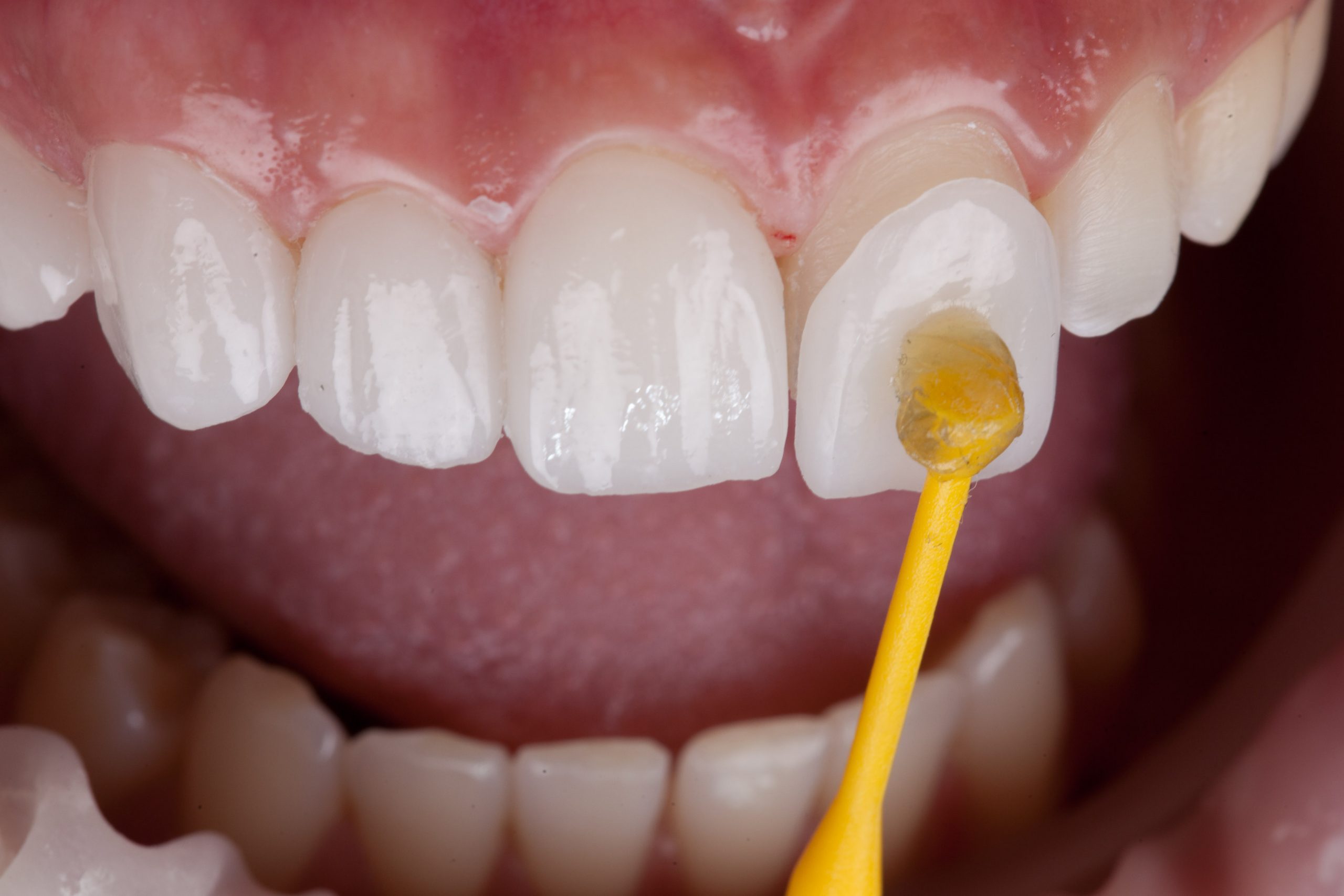
The porcelain is tried in and checked against the design before bonding. Once you approve the fit, shade and shape, each veneer is bonded permanently and the bite is refined.
Living With Them
Well-made porcelain veneers ask very little of you day to day. The habits that protect them are the habits that protect your natural teeth, with two specific additions worth knowing about before you commit.
Brush twice a day and floss normally. Porcelain does not decay, but the tooth underneath and the gum margin around it still can, and the join between veneer and tooth is where problems start if plaque is allowed to sit. Non-abrasive toothpaste preserves the surface polish.
A nightguard is not optional advice for grinders — it is the single thing most likely to determine whether your veneers last five years or fifteen. Grinding forces are far higher than chewing forces, and porcelain is strong in compression but will chip under repeated lateral stress.
Porcelain resists staining better than natural enamel, so coffee and red wine affect it far less. The consequence is that veneers hold their shade while surrounding natural teeth slowly darken, which is why shade is chosen with your other teeth in mind — and why any whitening you want is done before, never after.
Ten to fifteen years is a realistic expectation, and many last considerably longer. When a veneer eventually needs replacing it is remade and rebonded; because enamel was removed at preparation, the tooth will always need something covering it. That permanence is the main thing to weigh before starting.
FAQ
Veneers are considered a permanent procedure because a small amount of enamel is removed during preparation. However, they are not truly permanent — they will need replacement after 10–20 years. The enamel reduction means the tooth will always require a veneer or restoration going forward.
When designed and placed by an experienced cosmetic dentist, porcelain veneers are virtually indistinguishable from natural teeth. Our LVI-trained doctors use advanced shade matching, customized surface texture, and precise translucency to create results that look authentically natural in any light.
Most patients treat the teeth visible when smiling — typically 6 to 10 upper teeth. The exact number depends on your smile line and goals. We recommend treating all visible teeth simultaneously for seamless, consistent color and form across your entire smile.
High-quality porcelain veneers are extremely resistant to staining — significantly more so than natural tooth enamel. With regular professional cleanings and sensible dietary habits, your veneers will maintain their brilliance for many years.
Bruxism (teeth grinding) can shorten the lifespan of veneers. We will evaluate your bite carefully — and if necessary, recommend a custom night guard to protect your investment. Treating the underlying bite issues first often produces the best long-term outcome.
Care for veneers exactly as you would natural teeth — regular brushing, flossing, and professional cleanings every six months. Avoid biting extremely hard objects, and consider a night guard if you grind. With proper care, premium veneers routinely last 15–20 years.
Cost depends on how many teeth are involved and the complexity of the design, so a number quoted before an exam is not meaningful. You will receive a written plan with the full cost before committing to anything. We are a fee-for-service practice and work with your insurance to obtain the maximum benefit available, though cosmetic veneers are typically not covered. Cherry financing and CareCredit are available for monthly payments. Call (770) 266-7188 to arrange a consultation.
Whitening will not change the colour of porcelain. If you want a brighter overall result, whitening is done first, the shade is allowed to stabilise, and the veneers are then matched to your new colour. Doing it in the other order leaves you with veneers that no longer match the teeth around them, and the only remedy at that point is replacing the veneers.
Call us. A veneer that debonds intact can often be cleaned and rebonded in a single short appointment. A chipped veneer sometimes can be polished or repaired, but more often needs remaking, which means a new impression and a laboratory turnaround. Either way, do not attempt to reattach it yourself — household adhesives contaminate the bonding surface and can turn a simple fix into a replacement.
That reputation comes from a particular era of veneers that were too white, too uniform and too bulky. Modern porcelain is layered to mimic the translucency of natural enamel, and the design stage deliberately builds in slight variation between teeth, because perfectly identical teeth are what reads as artificial. The trial smile exists precisely so you can judge this yourself before anything is permanent.
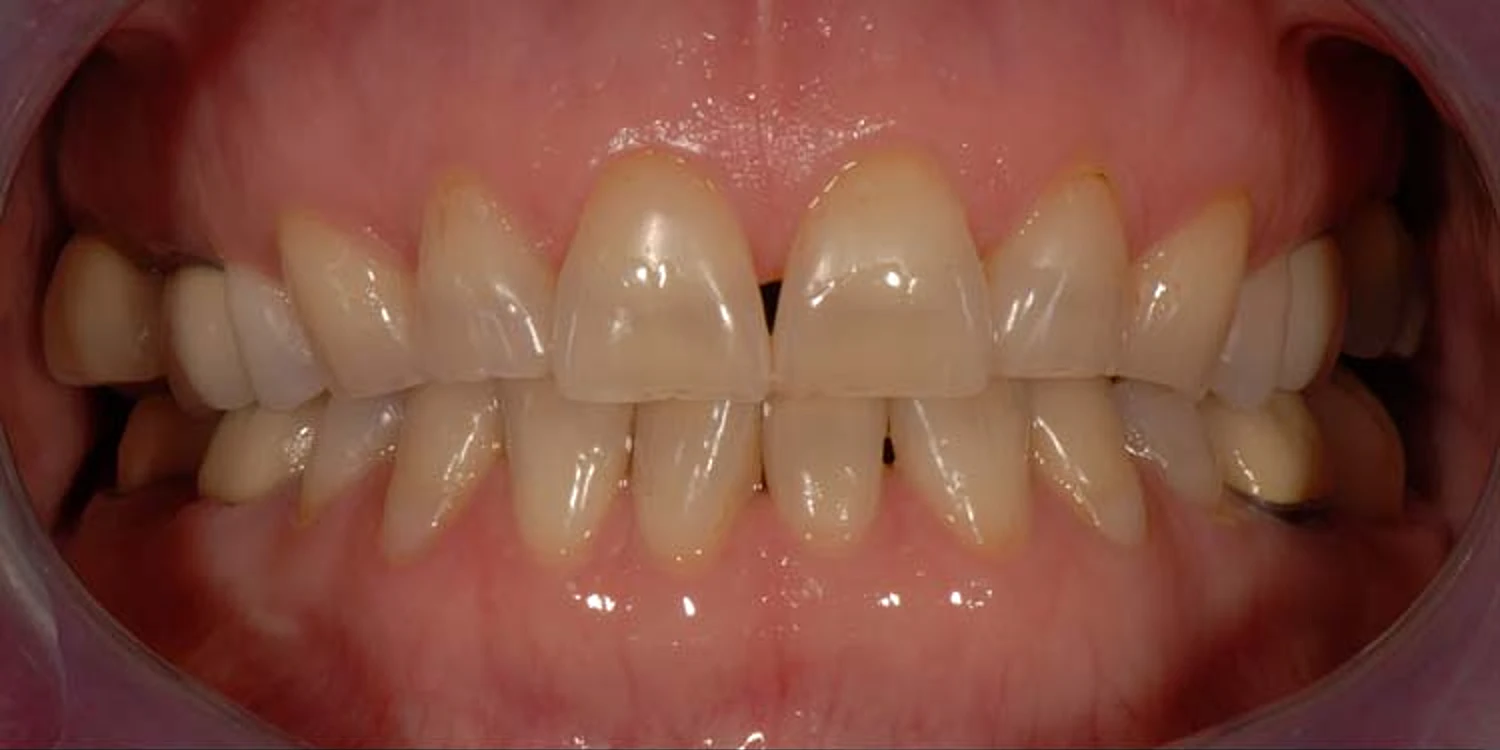
A Recent Case
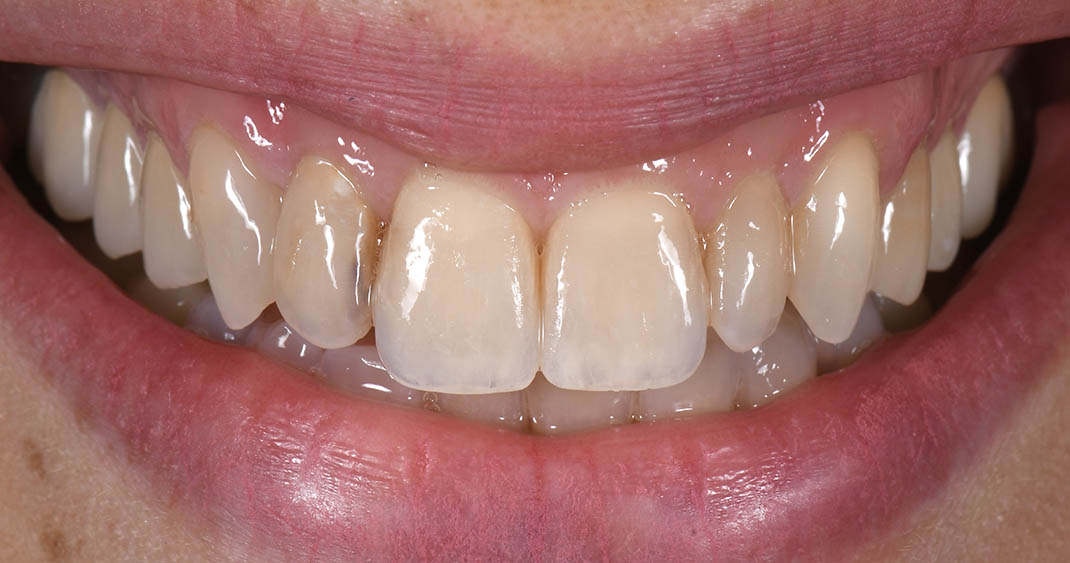
Before
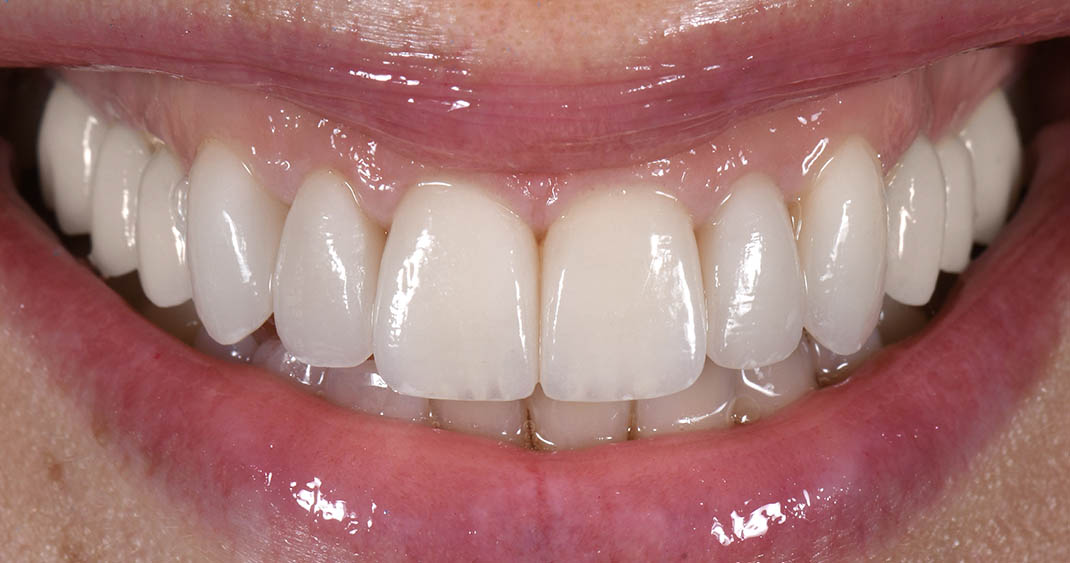
AfterNot colour alone. Worn, translucent edges and a flat smile line, which whitening cannot correct.
Ten upper units, previewed as a trial smile in the mouth before any enamel was prepared.
Two. Design and preparation with temporaries at the first, final bonding at the second.
Actual patient of Monroe Family & Cosmetic Dentistry, photographed before and after treatment. Individual results vary.
Schedule your veneer consultation with our LVI-certified cosmetic specialists and discover what precision artistry can create for you.