📍 516 Great Oaks Drive, Monroe, GA 30655 Mon–Thu 8AM–4PM  ·  Fri 8AM–2PM
Cherry Financing contactus@monroefamilydental.com ☎ (770) 266-7188
Dental EmergencySame-day care New PatientsStart here
Cosmetic
Restorative
General & Family
Specialty
Practice
☎ (770) 266-7188 Book Appointment
Cleanings Implants Implant Dentures Cosmetic Veneers Bonding Invisalign Whitening Root Canal Emergency Pediatric Periodontal Sleep Apnea Sedation
Permanent Tooth Replacement · Monroe, GA

Dental Implants
Replace missing teeth. Restore your life.

Dental implants are the gold standard in tooth replacement — permanently restoring function, aesthetics, and confidence with results that look and feel entirely natural. Our University at Buffalo–trained, LVI-certified doctors deliver implant outcomes that exceed expectations.

Permanent · Natural-Looking · Lifetime Investment
Crown
Porcelain — matches natural teeth
Abutment
Connector piece
Titanium Post
Fuses with jawbone

What Are Implants?

The closest thing
to a natural tooth.

A dental implant is a titanium post surgically placed in the jawbone where a tooth root once existed. Over several months, the implant fuses with the bone through a biological process called osseointegration — creating an anchor as strong as natural bone.

Once integrated, a custom-crafted porcelain crown is attached — precisely shaped, shaded, and sized to blend seamlessly with your surrounding teeth. The result is indistinguishable from a natural tooth in both appearance and function.

Unlike bridges or dentures, implants preserve the jawbone, prevent adjacent teeth from shifting, and require no alterations to surrounding healthy teeth. With proper care, they can last a lifetime.

Doctor Credentials
Why Our Doctors Deliver Exceptional Results
D.D.S. Education
University at Buffalo
School of Dental Medicine

Both Dr. Pete and Dr. Alex earned their degrees from one of the nation's top-ranked dental schools — a foundation of clinical excellence that sets them apart from day one.

LVI Certified
Las Vegas Institute
for Advanced Dental Studies

Both doctors hold LVI certification — the world's most respected postgraduate program in cosmetic & neuromuscular dentistry. Fewer than 1% of dentists reach this level.

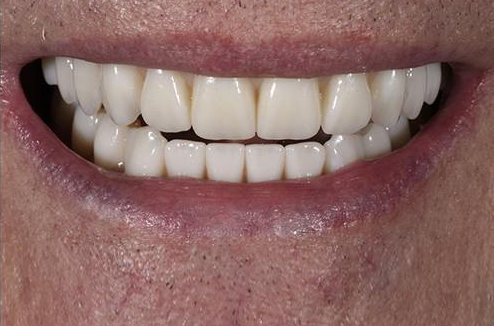
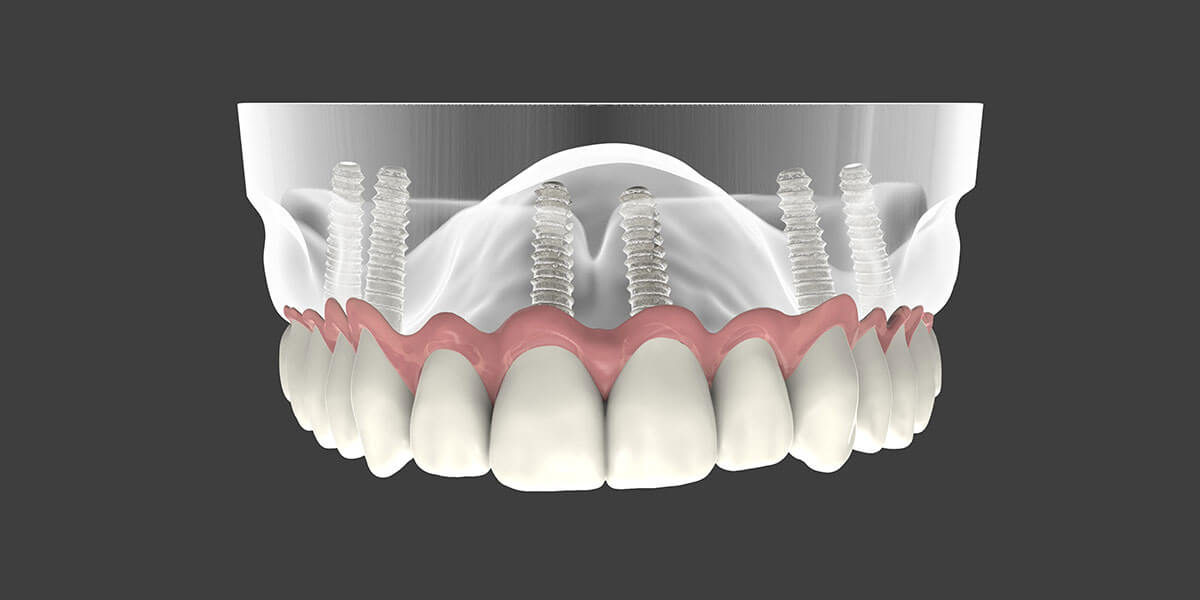
Full upper arch restoration supported by dental implants — teeth anchored permanently into the jaw
Anchored Into the Jaw · Just Like Natural Roots
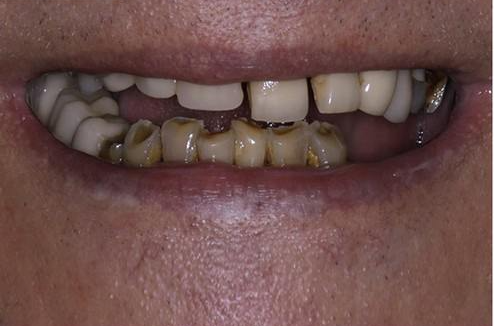
Traditional Dentures
  • Bone loss continues over time
  • Requires replacement every 5–8 years
  • Slippage and discomfort common
  • Requires adhesives or clasps
  • Affects adjacent teeth in bridges
  • Lower long-term value

The Process

Your implant
journey.

The implant process is carefully staged to ensure optimal osseointegration and the most natural, long-lasting result possible.

I
Consultation & 3D Imaging

A comprehensive assessment including digital X-rays evaluates bone density, anatomy, and implant candidacy. We present a detailed treatment plan with transparent costs and realistic timelines.

II
Implant Placement

The titanium implant post is precisely placed in the jawbone under local anesthesia. Sedation is available for patients who prefer complete comfort during the procedure.

III
Osseointegration & Healing

Over the following months, the implant fuses with the surrounding bone — creating a permanent, biocompatible foundation as strong as your natural tooth root.

IV
Custom Crown Placement

A precision-crafted porcelain crown — matched exactly to your surrounding teeth in shade, shape, and size — is attached to the implant, completing your restoration.

Your Options

One tooth, several teeth,
or an entire arch.

Implants are not a single procedure. The same technology solves very different problems, and the right approach depends on how many teeth are missing and what condition the surrounding bone and gums are in.

A Single Tooth

One implant, one crown. The neighboring teeth are never touched, which is the significant advantage over a traditional bridge — a bridge requires the two healthy teeth on either side of the gap to be filed down to hold it. A single implant stands entirely on its own and is brushed and flossed like any other tooth.

Several Teeth

When several teeth are missing in a row, you rarely need one implant per tooth. Two well-placed implants can support a fixed bridge spanning three or four teeth, which keeps treatment time and cost proportionate while still anchoring everything to the bone rather than to your remaining teeth.

A Full Arch

An entire upper or lower arch can be restored on as few as four to six implants supporting a fixed set of teeth. Unlike a conventional denture, nothing rests on the gums, nothing shifts while eating, and there is no adhesive. We also offer implant-retained dentures that snap securely into place and can still be removed for cleaning.

Bone & Candidacy

Told you don't have
enough bone?

It is one of the most common reasons patients are turned away elsewhere, and it is far less often a dead end than people are led to believe. When a tooth is lost, the jawbone that once held its root begins to resorb because nothing is stimulating it any longer. The longer the gap has been there, the more bone has typically been lost.

A bone graft rebuilds that foundation. Graft material is placed where the bone has receded and, over a period of months, your body replaces it with your own new bone — enough to hold an implant securely. For upper back teeth, where the sinus cavity sits close above the roots, a sinus lift raises the sinus floor to create the height an implant needs.

Both are routine, well-established procedures. They add time to the overall treatment, which is the honest trade-off, but they open the door for patients who were told implants were not an option. The only way to know where you stand is a 3D scan, which shows exactly how much bone is present and where.

What We Look At

01
Bone Volume & Density

A 3D cone beam scan measures the height and width of bone at the exact site, and whether a graft is needed before placement.

02
Gum Health

Active gum disease must be treated first. Implants can develop the same inflammation around them that natural teeth do, so healthy tissue comes before anything else.

03
General Health & Habits

Conditions such as uncontrolled diabetes, and smoking in particular, slow healing and raise the risk of failure. Neither automatically rules you out, but both change how we plan the case.

04
Bite & Opposing Teeth

How your teeth meet determines the forces an implant will absorb for decades. Grinding or an uneven bite is addressed as part of the plan, not after the fact.

Recovery

What healing
actually feels like.

Most patients tell us afterward that they had braced for something far worse. Placement is done under local anesthetic, and the recovery is generally described as milder than having a tooth pulled. Sedation is available if the idea of the appointment itself is the difficult part.

I
The First 48 Hours

Expect some swelling and tenderness at the site, usually peaking on the second day. Over-the-counter pain relief is enough for the large majority of patients. Cold compresses help, and soft foods make the first days easier. You can return to work and normal routines quickly — most people do so the next day.

II
The First Two Weeks

Soreness fades steadily. You will keep the area clean with gentle rinsing and careful brushing around, not directly on, the site. We check the tissue and confirm everything is settling as expected. Avoiding smoking during this window matters more than almost anything else you can control.

III
Osseointegration

The quiet part. Over roughly three to six months, bone grows into the surface of the titanium post and locks it in place. You feel nothing during this stage. In many cases a temporary tooth bridges the gap so you are never without something in the space while you wait.

IV
Living With It

Once the final crown is on, care is unremarkable, which is the point. Brush twice daily, floss around it, keep your checkups. Implants cannot decay, but the gum and bone supporting them still need looking after. Patients who maintain them well often keep them for decades.

FAQ

Implant questions,
answered.

Am I a candidate for dental implants?

Most healthy adults with adequate bone density are excellent candidates. Conditions such as uncontrolled diabetes, heavy smoking, or insufficient bone may require additional evaluation or preparatory procedures. A consultation will determine your specific candidacy.

Is the implant procedure painful?

The procedure is performed under local anesthesia, and most patients report significantly less discomfort than anticipated. Sedation options are available. Post-operative discomfort is typically manageable with over-the-counter pain medication for a few days.

How long do dental implants last?

With proper oral hygiene and regular dental care, implants can last a lifetime. The crown may need replacement after 15–25 years due to normal wear, but the titanium implant post itself is designed to be permanent.

How do implants compare to dentures or bridges?

Implants are widely considered the superior long-term solution — they preserve bone, do not affect adjacent teeth, function identically to natural teeth, and do not require removal or adhesives. Their lifetime value exceeds that of dentures or bridges.

How long does the entire process take?

The complete process — from placement to final crown — typically spans 3 to 6 months, with the majority of that time being the natural healing and osseointegration phase requiring no active treatment.

Does insurance cover dental implants?

Coverage varies widely by plan. We will thoroughly review your benefits prior to treatment and provide complete cost transparency. Flexible payment options and our Monroe Wellness Plan are available for patients with limited coverage.

What do dental implants cost?

Cost depends on how many teeth are being replaced and whether preparatory work such as an extraction or bone graft is needed, so a figure quoted before an exam is not worth much. You will receive a clear written treatment plan with the full cost before you commit to anything. We are a fee-for-service practice and work with your insurance to obtain the maximum benefit available under your plan, and we offer Cherry financing and CareCredit for monthly payments. Call (770) 266-7188 to arrange a consultation.

What happens if I keep putting it off?

The bone that once held the tooth root gradually resorbs when nothing replaces it, and neighboring teeth tend to drift into the gap over time, which alters your bite. Neither happens quickly, but both make treatment more involved later — a case that needed only an implant may eventually need grafting as well. Waiting is a legitimate choice; it is simply worth making it knowingly.

Does smoking affect implants?

Yes, more than most patients expect. Smoking restricts blood flow to the gums and slows healing, which raises the risk of the implant failing to integrate with the bone. It does not automatically disqualify you, but it does change how we plan and time the case, and stopping even temporarily around the procedure meaningfully improves the odds. We will talk it through honestly rather than lecture.

How do I clean and maintain an implant?

Brush twice a day and floss around it as you would a natural tooth; some patients find a water flosser easier around implant crowns and bridges. The implant itself cannot get a cavity, but the gum and bone around it can become inflamed if plaque builds up, and that is the leading cause of long-term implant problems. Keeping your regular checkups is what protects the investment.
Ready to restore your
complete smile?

Schedule your implant consultation today and discover why patients across Monroe, Georgia trust our LVI-certified doctors for life-changing results.

Book a Consultation☎ (770) 266-7188
Proud Members & Affiliations
Georgia Dental Association LVI Global Spear Education American Dental Association ProSomnus Sleep Technologies DOCS Education Ivoclar Vivadent American Academy of Implant Dentistry Implant Success Today
Call Book Appointment
Book Appointment